Personal Development
More than an Academic Curriculum
During their school journey at Ashcombe, we nurture and value our students and aim to provide them with a rich set of experiences so that they can thrive and participate in society when they leave us at the end of year 6. Our taught curriculum aims to provide our students with the cultural capital, powerful knowledge and skills to understand, be a part of and change the world they will grow up in. Alongside the taught, academic curriculum at Ashcombe is our personal development and wellbeing strategy. Our ambition is for our pupils to leave us as rounded, kind and hardworking pupils, prepared for the challenges that may lie ahead for them.
At our school we want our pupils to be able to:
1) Know how to look after their physical and mental health
2) Give their time to members of the community.
3) Know how to play, explore and take acceptable risks.
4) Know and understand core British values.
5) Recognise the traits of healthy and safe relationships.
6) Experience responsibility, leadership and see positive examples of this.
7) Perform as part of a team for others.
8) Know how to stay safe online.
9) Experience awe, excitement and wonder through a range of enriching experiences.
This is how we do it:
Positive Projects
Our Positive Projects initiative gives every year group the opportunity to choose two meaningful projects each year that make a difference to others. The aim is for pupils to learn about and empathise with different groups, parts of the community, or environmental and animal welfare issues, and to take action through 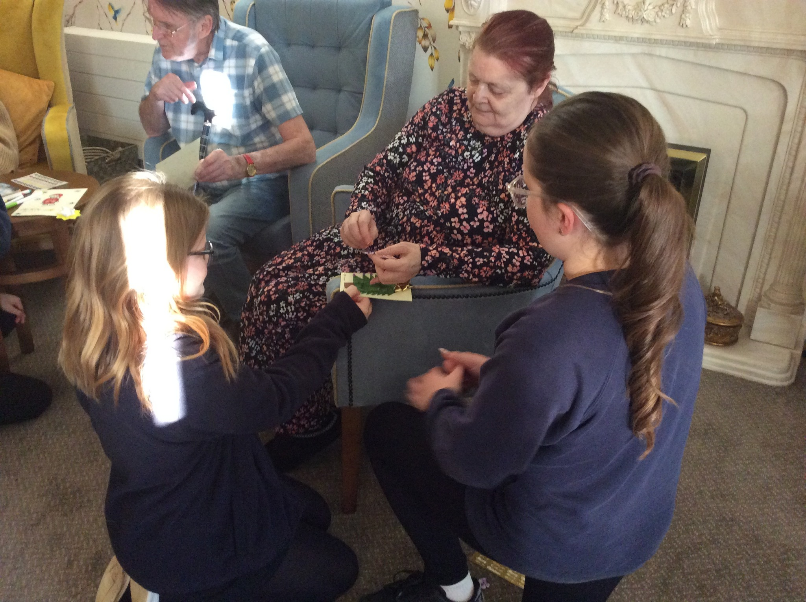 fundraising or volunteering. Examples include raising money for the Donkey Sanctuary and visiting local nursing homes to spend time with residents. These projects help children develop compassion, social responsibility, and an understanding of the wider world, while reinforcing British Values such as mutual respect and community engagement. By working collaboratively on real-life causes, pupils build empathy, teamwork, and a sense of purpose—key elements of personal development and wellbeing.
Healthy schools network
Ashcombe is part of the North Somerset Healthy Schools Network and is working towards an ‘Active Healthy Schools  Award’ following successfully meeting our three targets in 2023-24. The Primary NSHSN programme supports schools to identify their own needs, make plans to address them and review progress. Schools are guided towards positive change by addressing issues such as mental health, healthy eating, physical activity, safety, personal, social and health education and the environment.
Ashcombe is part of an exciting initiative to encourage more children and their families to walk to school. WOW – the walk to school challenge is delivered by Living Streets, the UK charity for everyday walking, to help as many children as possible experience the benefits of walking or wheeling to school. The pupil-led challenge enables children to self-report how they get to school every day. If they travel actively (walk/wheel, cycle, scoot, ‘Park and Stride’ or hop off) at least once a week, for a month, they get rewarded with a badge. It’s that simple!
Sport
 At Ashcombe, we have Future Stars coaches working with our students every lunchtime to develop them as sportspersons. The coaches also work with our teachers to develop their capacity and skill for teaching PE. In addition also participate in regular intra-school and inter-school competition through our membership of the local School Sports Partnership. We run a number of after-school sports clubs and we use our sports premium to give our children the opportunity to experience a range of sports they might not usually have the opportunity to be exposed to. Last year we were accredited with the School Games Gold Award.
Mental Health Curriculum
We have developed a comprehensive mental health curriculum for 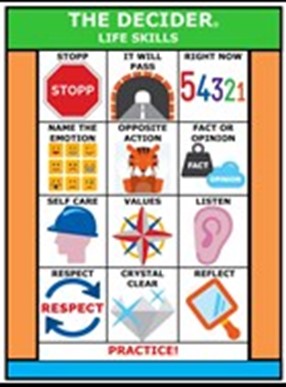 Key Stage 2, grounded in The Decider approach. This curriculum equips children with practical, evidence-based strategies to manage emotions, build resilience, and develop healthy coping mechanisms. Delivered as part of our wider wellbeing provision, these sessions empower pupils to recognise and regulate their feelings, fostering a positive school culture where mental health is prioritised. The programme has been designed in collaboration with the Mental Health Support Team (MHST), ensuring alignment with best practice and national guidance. Watch this video to find out more: https://youtu.be/suLcXKAnmBw?si=xUC9wNa4xFhbfnGL
Jigsaw
Our school delivers Personal, Social, Health and Economic (PSHE) education through the JIGSAW scheme of learning, a nationally recognised programme that provides a structured, progressive approach from Early Years to Year 6. JIGSAW  integrates emotional literacy, social skills, and mindfulness into weekly lessons, ensuring pupils develop resilience and positive relationships. The scheme fully meets statutory requirements for Relationships Education, Health Education, and PSHE as outlined by the Department for Education, while also supporting spiritual, moral, social, and cultural development. In addition, JIGSAW actively promotes British Values—democracy, the rule of law, individual liberty, and mutual respect and tolerance—through age-appropriate themes and activities, helping pupils understand their role as responsible citizens in modern Britain. Please follow this link for more information: https://www.ashcombeprimary.com/pshe
OPAL Play
Our OPAL (Outdoor Play and Learning) programme transforms playtimes into rich opportunities for personal development and wellbeing. Through activities such as den building, imaginative role play, construction with loose parts, water and sand play, and creative use of natural materials, pupils develop problem-solving skills, resilience, and independence. OPAL promotes inclusivity by ensuring all children can access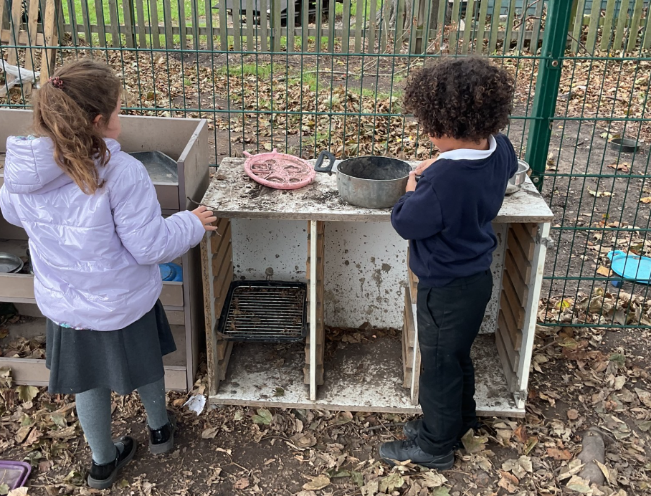 meaningful play experiences, fostering a sense of belonging and community. These experiences contribute to SMSC development: spiritually, by encouraging creativity and appreciation of nature; morally, by teaching responsibility and respect for shared resources; socially, by promoting cooperation and conflict resolution; and culturally, by valuing diverse play traditions. OPAL also reinforces British Values—democracy through pupil voice in play choices, individual liberty through freedom to explore, and mutual respect and tolerance through collaborative play. By embedding OPAL into daily school life, we create a safe, stimulating environment that nurtures wellbeing and holistic growth. Please follow this link for more information: https://www.ashcombeprimary.com/opal-play.
Assemblies
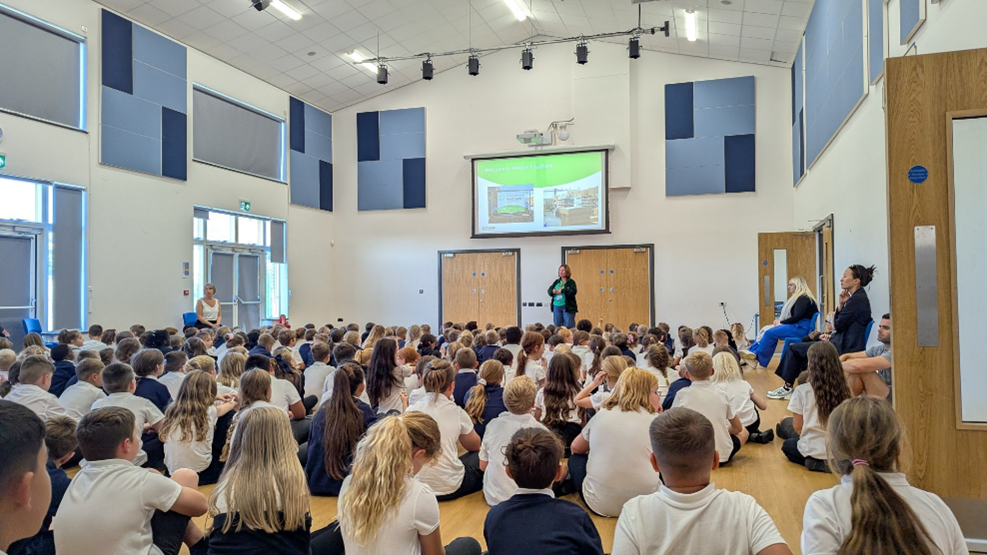 Our assembly programme plays a central role in promoting pupils’ personal development and reinforcing our school values. Weekly assemblies celebrate and recognise children who exemplify our core values, fostering a culture of kindness, community, excellence, inclusivity and curiosity. Fortnightly assemblies feature the Little People, Big Dreams series, inspiring ambition and resilience through diverse real-life role models, while separate sessions focus on British Values, helping pupils understand democracy, liberty, respect, and tolerance. Regular safeguarding assemblies ensure children know how to keep themselves and others safe, and OPAL play assemblies promote active, inclusive play. Singing assemblies for KS1 and KS2 nurture creativity and a sense of belonging, while assemblies linked to national events such as Remembrance and Children in Need develop empathy and social responsibility. Finally, assemblies reinforcing our behaviour curriculum provide clarity and consistency, ensuring pupils understand expectations and the importance of positive choices. Together, this structured programme enriches pupils’ spiritual, moral, social, and cultural development and supports their wellbeing.
Opportunities to perform
We provide all pupils with an annual opportunity to perform for 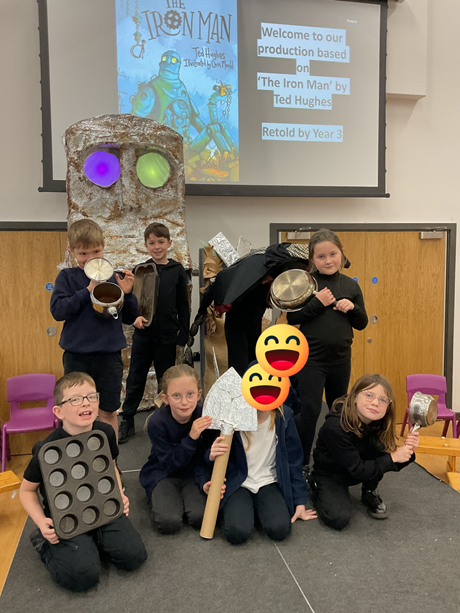 parents and carers through songs, dances, or full-scale productions. These events allow children to develop confidence, creativity, and communication skills in a supportive environment, while fostering teamwork and resilience. Performing arts experiences contribute significantly to pupils’ spiritual, moral, social, and cultural (SMSC) development: spiritually, by encouraging self-expression and appreciation of creativity; morally, by promoting responsibility and respect within a collaborative setting; socially, by strengthening relationships and cooperation; and culturally, by exposing pupils to diverse traditions, stories, and artistic forms. During KS2, Children who wish to express themselves or showcase their individual talents or hobbies get to audition for Ashcombe’s Got Talent and if they qualify for the final, perform for the whole school and parents and carers. These performances also strengthen the partnership between school and home, celebrating achievement and reinforcing our commitment to personal development and wellbeing.
After-school enrichment
Our after-school enrichment programme offers pupils a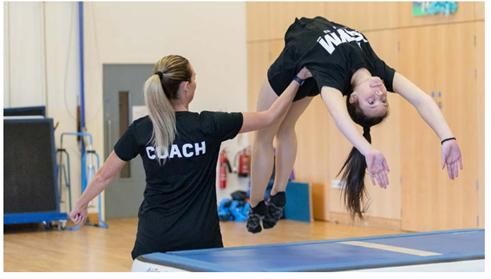 wide range of opportunities to explore interests, develop new skills, and enhance their personal development and wellbeing. Specialist providers deliver high-quality physical activities, including gymnastics clubs on Mondays and Tuesdays run by Gym Club, and multi-sport sessions from Future Stars for KS1 and KS2 throughout the week. In addition, school staff lead a diverse selection of clubs such as crafting, book clubs, mindfulness, drama, choir, art, and recorder, ensuring there is something for every child. These experiences promote resilience, creativity, teamwork, and confidence, while supporting SMSC development and reinforcing British Values through collaboration, respect, and inclusion. By offering such variety, we ensure pupils have opportunities to discover passions, build cultural capital, and strengthen their sense of belonging within our school community.
30 things to do
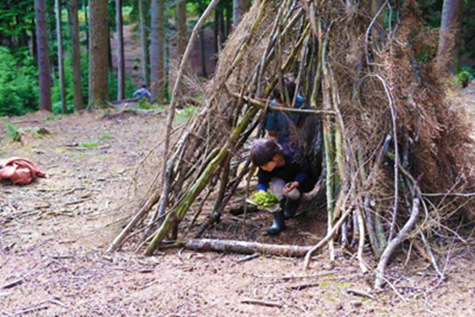 We have introduced a new home-learning initiative designed to foster a love of learning beyond the classroom. Each child receives a scrapbook and a list of 30 age-appropriate activities to complete throughout the year with their family. Examples include stargazing, cooking a meal together, visiting a local landmark, planting seeds, creating a nature collage, writing a postcard to a relative, or building a den outdoors. These activities encourage children to embrace the outdoors, stay active, develop curiosity, and build connections with others. Families are invited to record their experiences creatively in the scrapbook—through drawings, notes, photos, or collected items—and share these with school. This initiative promotes a sense of awe and wonder, supports SMSC development (spiritual curiosity, social interaction, cultural experiences), and reinforces British Values through family engagement and community participation. It helps pupils see learning as an enjoyable, lifelong process beyond the structure of the classroom.
Forest School
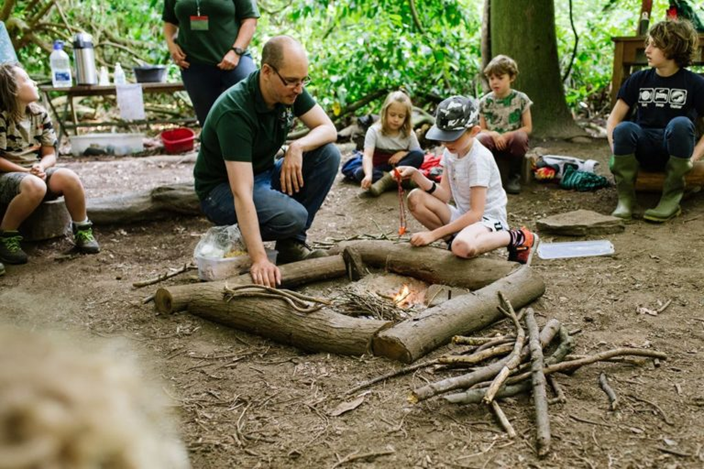
This year we are going to relaunch Forest School at Ashcombe. Children will take part in Forest School with a fully qualified Forest School Practictioner. Forest School is an inspirational process that offers all learners regular opportunities to achieve and develop confidence and self-esteem through hands-on learning experiences in the woods and natural school environment. Children walk to Weston woods or use the school grounds for their activities. Children are encouraged to explore all aspects of the natural world. Their own interests and play ideas are the basis of activities to extend their learning which might include den building, bug hunting, tree and plant ID, using tools, fire lighting and cooking. They enjoy learning about the safe boundaries and how to keep within them. Children also learn about keeping themselves and others in the group safe by using appropriate behaviour and developing good listening and observation skills.
Online safety
 We teach pupils how to stay safe online through the ProjectEVOLVE framework, which provides age-appropriate, evidence-based resources aligned with the Education for a Connected World framework. ProjectEVOLVE supports children in developing digital resilience and understanding key aspects of online safety, including managing online relationships, protecting personal information, recognising risks, and making responsible choices. Lessons are interactive and progressive across year groups, ensuring pupils learn not only the rules for staying safe but also the critical thinking skills needed to navigate the digital world confidently and responsibly. This approach reinforces safeguarding, promotes wellbeing, and prepares pupils to be safe, respectful digital citizens.
Student Leadership and aspirations
We are committed to empowering pupils through meaningful leadership roles, opportunities to influence school life and engaging with our local community. Our School Council provides a platform for pupil voice, enabling children to share ideas and contribute to decision-making. Each year, we hold a whole-school referendum during UK Parliament Week, giving pupils a real experience of democracy in action. In addition, we are launching a range of student leader teams, 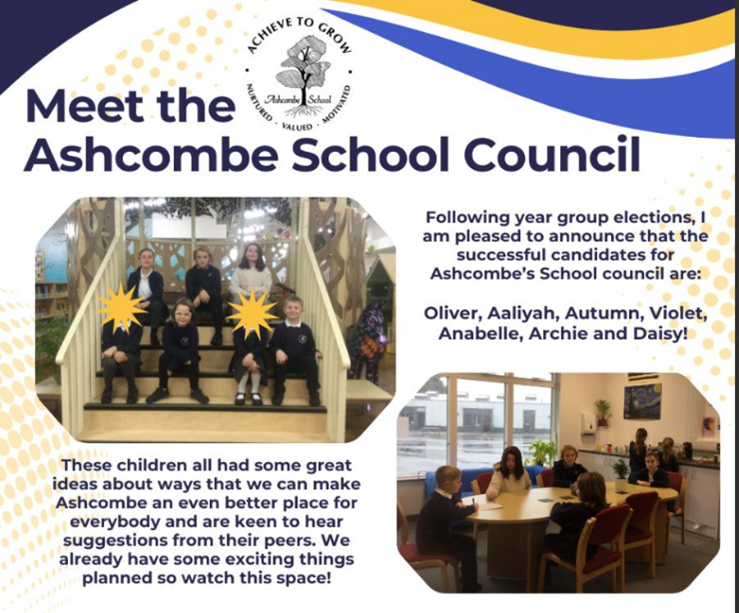 including school librarians, sports leaders, digital leaders, playground buddies, and contributors to the Jill Dando Newsroom. These roles promote responsibility, teamwork, and communication skills, while reinforcing British Values such as democracy, individual liberty, and mutual respect. Through these initiatives, pupils develop confidence, leadership qualities, and a sense of ownership in shaping their school community. We aim to give our pupils insight and aspirations for the world of work when they leave us by holding an annual careers day during the summer term.
Visits and Visitors
We enrich our curriculum through a wide range of visits and visitors that bring learning to life and provide real-world experiences beyond the classroom. These opportunities deepen pupils’ understanding of key topics, broaden cultural capital, and inspire awe and wonder about the world around them. Educational visits might include museums, historical sites, theatres, and outdoor learning environments, while visitors such as authors, scientists, community leaders, and professionals share expertise and experiences that connect learning to the wider world. These experiences support SMSC development, reinforce British Values, and help pupils see the relevance of their learning in everyday life.
| Year Group | Visit (s) | Visitor |
| EYFS |
Secret Garden Ashcombe Park |
Foodbank employee |
| Year 1 |
Delivering Christmas Cards to local residents Ashcombe Park – Forces and Trees Beach visit – human and physical features |
Drama workshop |
| Year 2 |
Pine Lodge Residential home Ashcombe Park – Tree study We the Curious |
Drama workshop Aspens pizza dough making Egyptian workshop |
| Year 3 |
Weston Museum – History Weston Library |
Volunteer from Weston Library |
| Year 4 |
Weston Museum - TBC Wild Place Project - TBC |
|
| Year 5 |
Morfa Bay Residential Cinema trip Worle School – Concert Swimming Lessons at Hutton Moor Ashcombe Park |
WWII Zoom History meeting Expert on Suffragette movement |
| Year 6 |
Cinema trip Acer House residential home Activities week |
Dementia visitor talk |
Some of these things are fully in place, being embedded launched this year. If you would like to know more, please get in touch.