Reception EYFS
Welcome to Reception EYFS
Welcome to our Early Years Foundation Stage (EYFS) class page! Here you’ll find everything you need to know about life in our busy, joyful classroom as our youngest learners begin their school journey. This page is designed to help families understand what EYFS is all about—how we settle in, what we learn, how we spend our days, and how you can support your child at home. We’ve also included information on reading in EYFS and how we prepare our children for a confident transition into Year One.
On this page you’ll find:
- Settling in and starting school
- What will we learn and how will we learn it?
- What do we do all day?
- What do I need to do and how can I help?
- Getting ready for Year One
- Reading in EYFS
Please see below photos of our lovely areas in the EYFS block:


Settling in and starting school
Starting school is an exciting milestone, and we work closely with families to ensure every child feels happy, secure, and confident as they settle into EYFS.
- In the summer term, we invite you and your child to
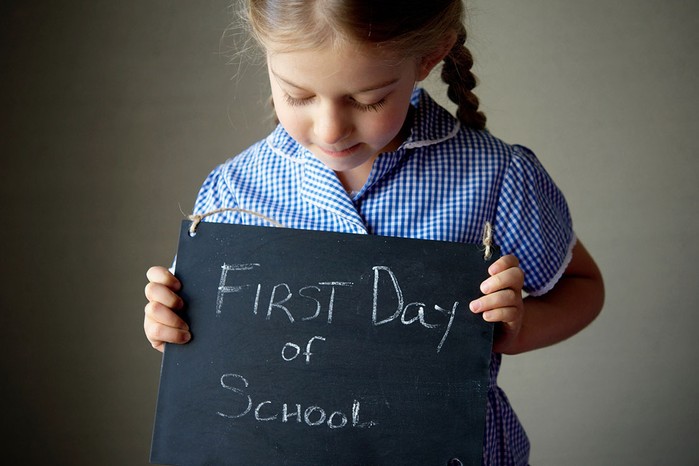 a Stay and Play session, giving them a gentle introduction to their new classroom, teachers, and friends while you meet the team and learn more about life at Ashcombe.
 - At the start of the Autumn term, we carry out home visits, which allow us to get to know your child in a familiar environment and begin building positive, trusting relationships with you.
- Our part‑time transition in September then provides a calm and supported start to school life, giving children time to adjust to new routines, expectations, and friendships at a pace that feels right for them.
Together, these steps help ensure a smooth, nurturing transition where every child can begin their Ashcombe journey with confidence.
What will we learn and how will we learn it?
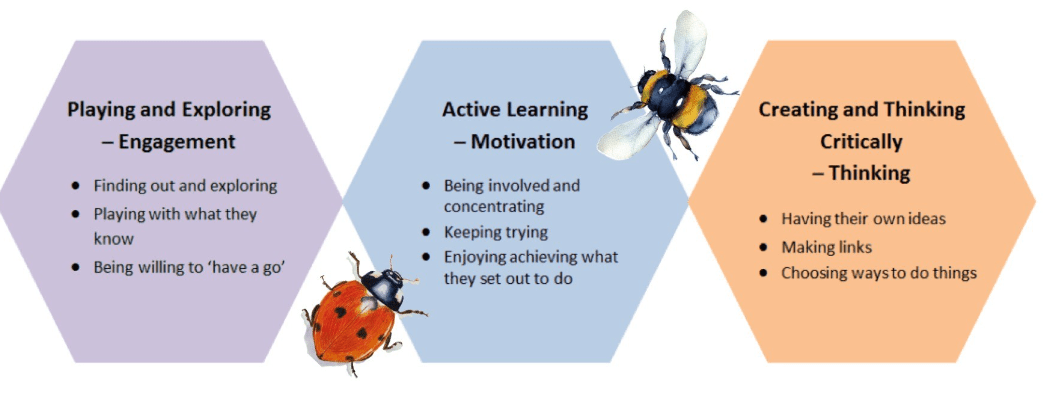
In our EYFS classroom, learning happens through a rich blend of free flow and continuous provision, allowing children to move confidently between indoor and outdoor spaces as they follow their own interests. Carefully planned areas—such as construction, role play, small world, creative stations, and our large outdoor environment—are enhanced with resources that encourage curiosity, exploration, problem‑solving, early literacy, and mathematical thinking. Adults join children in their play, modelling language, introducing new vocabulary, and extending ideas, so learning becomes meaningful and child‑led. The spacious outdoor area provides opportunities for physical development, collaboration, and real‑world discovery, from climbing and building to investigating nature.
Through this approach, children learn by doing, experimenting, imagining, and talking—developing independence, confidence, and a love of learning in an environment that responds to their needs and curiosities.
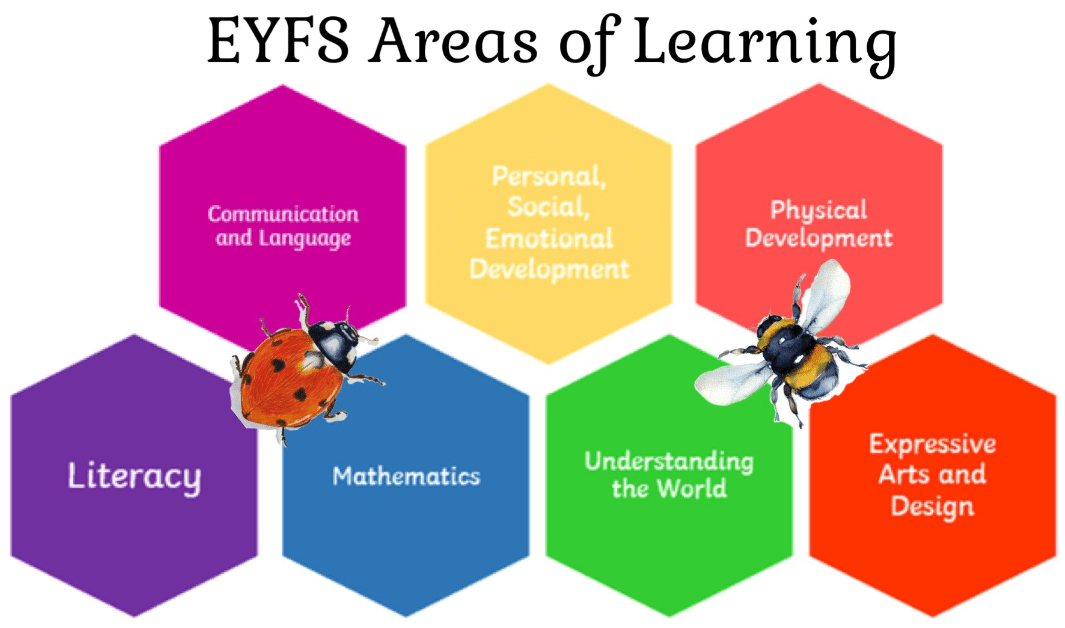
In our EYFS classroom, we follow the seven Early Learning Goals closely, to ensure every child is supported in reaching a Good Level of Development. Our teaching is underpinned by the KMAT curriculum, which provides a rich, coherent sequence of knowledge and experiences (you can explore this further on our class curriculum pages).
We teach phonics through Essential Letters and Sounds, building strong early reading and writing foundations, while NCETM Mastery Number supports deep mathematical understanding through structured, practical exploration. To strengthen communication and language—an essential pillar of early development—we use NELI, giving children targeted opportunities to grow their confidence and vocabulary.
At Ashcombe, we are passionate about offering a knowledge‑rich curriculum that promotes memory, curiosity, and independence. Alongside this, our Positive Projects help develop character, wellbeing, and a sense of belonging as children learn about their role in school and the wider world. Together, these elements create a nurturing, purposeful environment where every child can thrive.
What do we do all day?
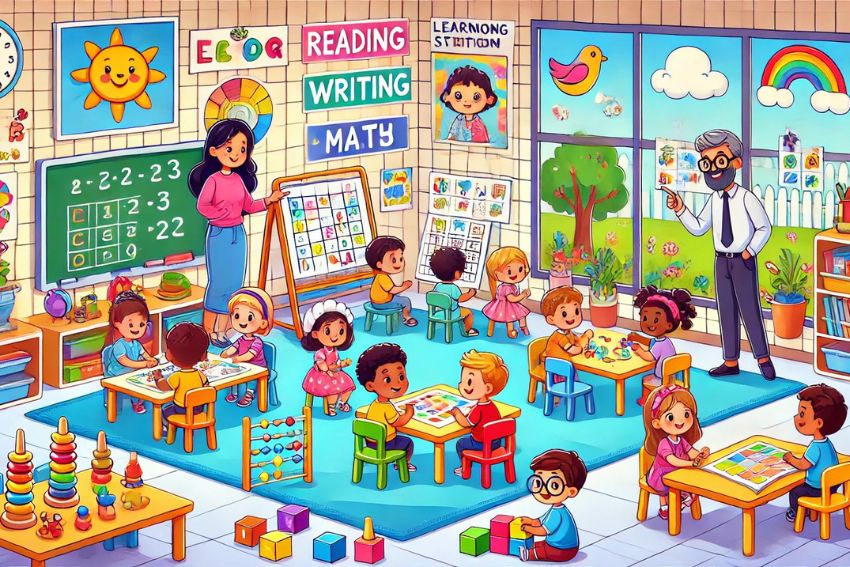
In EYFS, our Ashcombe day offers a balanced mix of child‑led exploration and purposeful adult‑led teaching. Children enjoy free flow and continuous provision throughout the day, moving confidently between our indoor and outdoor learning environments as they follow their interests. Alongside this, we have daily structured sessions including phonics, maths mastery, story time, singing, circle time, and handwriting, ensuring strong foundations in early literacy, numeracy, communication, and personal development.
While the children play there are is a daily adult-led activity as well as interventions for each child's learning development. Teachers support children within our classroom setting to extend their thinking, develop their vocabulary and practice skills; this is done during high quality interactions in a nurturing and stimulating environment. Teachers also look to follow the children's interests changing the environment and choosing topics that appear from the children's fascinations and interests.
At lunchtime, children take part in OPAL play, giving them rich opportunities for creativity, collaboration, and physical development. Each week, we also enjoy drawing lessons, whole‑class NELI sessions to boost language skills, and Helicopter Stories, where children bring their ideas to life through storytelling and drama. This carefully planned balance of structure and freedom ensures that every child can learn, explore, express themselves, and thrive throughout the school day.
What do I need to do and how can I help?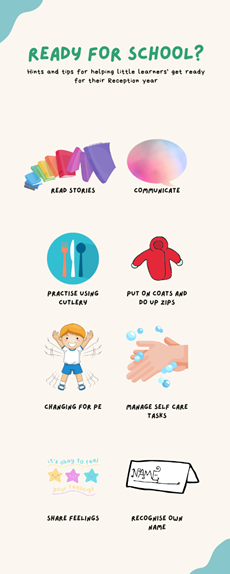
Before starting school in September, parents and carers can support their child by encouraging independence with simple tasks such as putting on their coat and shoes, using the toilet confidently, beginning to use a knife and fork to cut their food, tidying away toys, and practising sharing and taking turns. Please check out the guide Starting Reception for more information and guidance.
Reading stories together, talking about everyday experiences, and giving plenty of opportunities to play, explore, and ask questions all help build confidence and language skills. You can encourage early number skills through games and real-life activities like counting, sorting, and cooking.
Once school begins, you can support learning at home by enjoying daily reading and practising phonic sounds, we will send home lots of information about this once your child begins this journey. You will also be able to join your child for Shared Learning sessions throughout the school year; these sessions are in the classroom and you can share a carpet session and free flow learning so you can join in the fun!
For the school day, children will need their school uniform and school shoes, a coat suitable for the weather (everyday), wellies and a book bag. PE kits are worn to school on our PE day which we let you know about each term. Once full time please also send in a bag of school clothes for your child's peg so they can change if they get wet or muddy over lunch time- OPAL play is a very exciting part of the school day and we go out in all weathers!
If your child has a packed lunch, please ensure it is healthy and nut‑free. For school lunches you will be able to book your Universal Free School Lunch on SwiftKitchen.
Providing these essentials and supporting your child’s growing independence helps them feel ready, confident, and excited for their new adventure at school.
Getting ready for Year One
At Ashcombe, we ensure that the transition from EYFS to Year One is calm, supportive, and thoughtfully planned so children feel secure and confident as they move into the next stage of their learning. During the summer term, Reception children have opportunities to visit the Year One classroom, meet the new adults, and explore the environment so it feels familiar and welcoming in September.
Teachers from both year groups work closely together, sharing information about each child’s achievements, interests, and next steps to ensure continuity and a smooth progression. At the start of Year One, we gradually introduce more structured learning while continuing to offer elements of play-based, hands‑on provision to support the transition from the EYFS approach. Children with SEND or some extra needs will be offered extra visits and a personalised transition so that they can move more smoothly to Year One.
This gentle, responsive process helps children settle happily, maintain their love of learning, and grow in confidence as they begin their Year One journey.
Reading in EYFS 
At our school, we believe reading is a vital life skill and the foundation for all learning. In EYFS, we place a strong emphasis on developing children’s language, phonics and comprehension, alongside a genuine enjoyment of books and stories.
EYFS – Early Learning Goals (Reading)
In line with the Early Years Foundation Stage Early Learning Goals, children in Reception are supported to:
❇️Demonstrate an understanding of what has been read to them by retelling stories and responding to questions.
❇️Use recently introduced vocabulary during discussions about stories, non-fiction and rhymes
❇️Say sounds for letters in the alphabet and blend sounds into words
❇️Read words and simple sentences using phonics knowledge and tricky words
Reading in EYFS is taught through:
❇️Daily systematic phonics
❇️High-quality shared stories and rhymes
❇️Adult-led and play-based reading opportunities
❇️Talk-rich activities that develop vocabulary, comprehension and confidence
Children are encouraged to explore books independently and to see reading as enjoyable and meaningful.
Reading at home
Reading at home plays an essential role in supporting both the EYFS Early Learning Goals and KS1 outcomes. We encourage families to:
❇️Read regularly with their child
❇️Talk about stories and pictures
❇️Celebrate effort as well as progress
These shared experiences help develop fluency, comprehension and confidence.
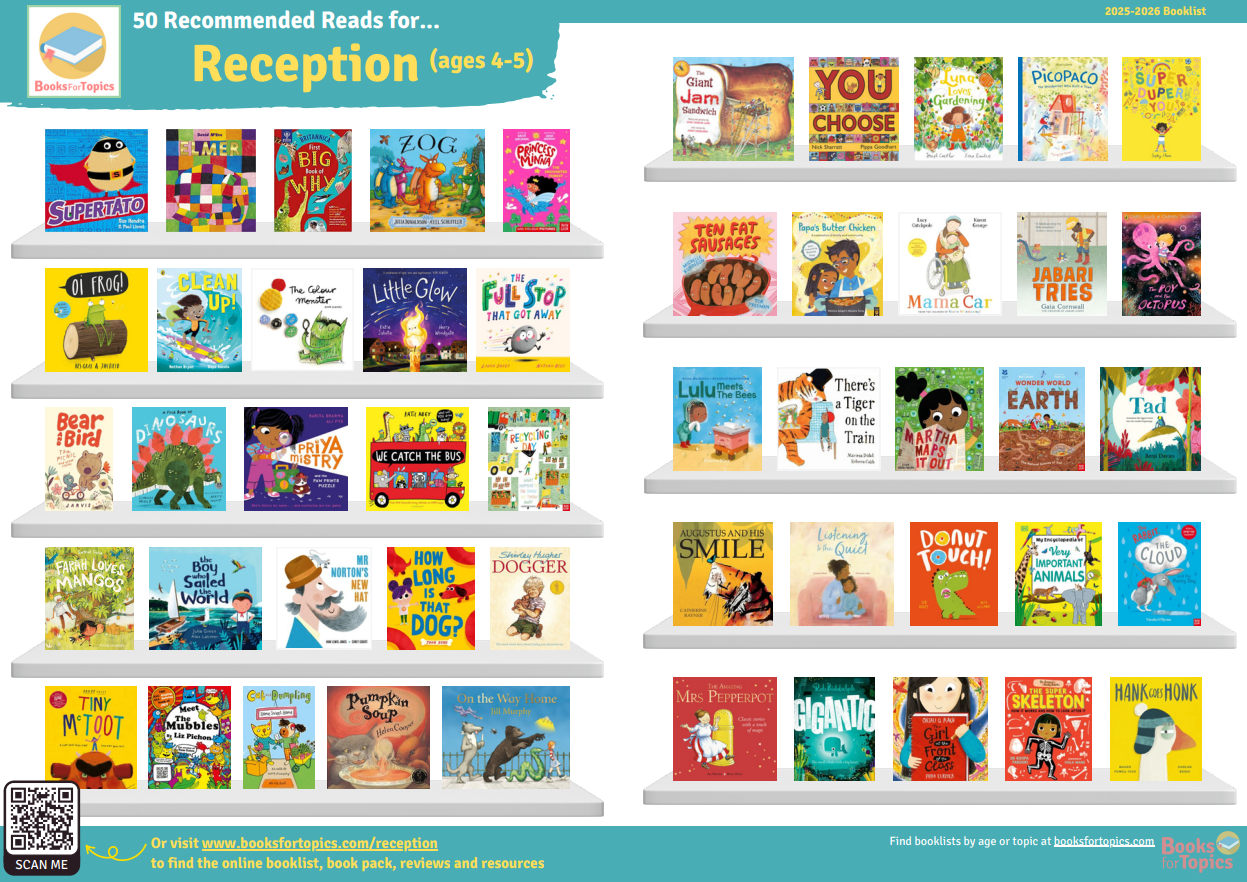
Recommended reads: