Art
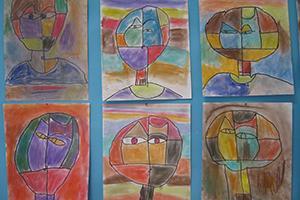
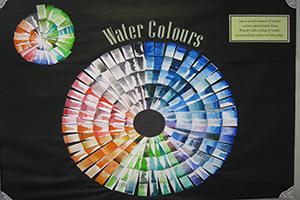
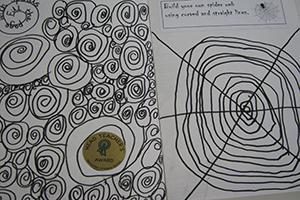
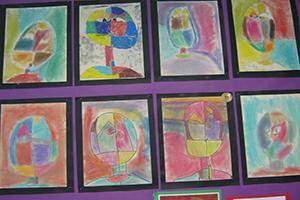
Art, craft and design stimulates creativity and imagination. It provides visual, tactile and sensory experiences and a special way of understanding and responding to the world. It enables children to communicate what they see, feel and think through the use of colour, texture, form, pattern and different materials and processes. Children become involved in shaping their environments through art, craft and design activities. They learn to make informed judgements and aesthetic and practical decisions. They explore ideas and meanings through the work of artists and designers. Through learning about the roles and functions of art, they can explore the impact it has had on contemporary life and that of different times and cultures. The appreciation and enjoyment of the visual arts enriches all our lives.
The aims of art, craft and design are:
- to enable children to record from first-hand experience and from imagination, and to select their own ideas to use in their work;
- to develop creativity and imagination through a range of activities;
- to improve the children’s ability to control materials, tools and techniques;
- to increase their critical awareness of the roles and purposes of art, craft and design in different times and cultures;
- to develop increasing confidence in the use of visual and tactile elements and materials;
- to foster an enjoyment and appreciation of the visual arts and a knowledge of artists, craftspeople and designers.
At Ashcombe we provide an environment in which we encourage and value creativity.
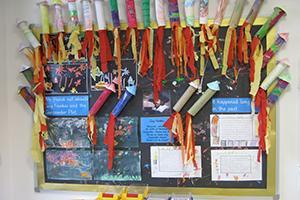
Children experience a range of activities that they respond to, using various senses and media, including ICT. The activities they take part in are imaginative and enjoyable and children’s work is displayed around the school to inspire their creativity and appreciation of artwork.
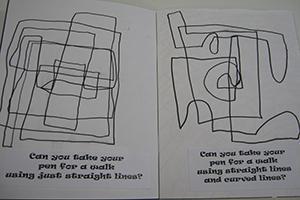
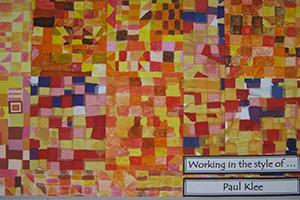
Across our art curriculum, pupils build skills through five core techniques: colour, drawing, form, printing, and texture. Each year group revisits these key areas, deepening their understanding as they progress through the school. Children begin by exploring basic mark‑making and colour mixing, before moving on to more detailed observational drawing, experimenting with a variety of media, and developing confidence in using shape and form to create 3‑D work. As they advance, pupils learn printing methods such as relief and stencil printing, and discover how artists use texture—both visual and tactile—to enhance creative expression. By revisiting these strands every year, we ensure that all pupils develop strong foundational skills, broaden their creativity, and gain the ability to apply artistic techniques independently and imaginatively. You can find a breakdown of how these techniques are applied to the curriculum for each year group in the attachments below.